The project went through many changes as evidenced by how different it ended up being to the original Action Research Cycle I completed in September. These changes were influenced by feedback from the Ethical Action Plan tutorials and literature review. The feedback from the tutorials made me re-assess the scale of the project. I was going to include interviews or a focus group for my peers and possibly academic support; other support staff working with 3rd year students.
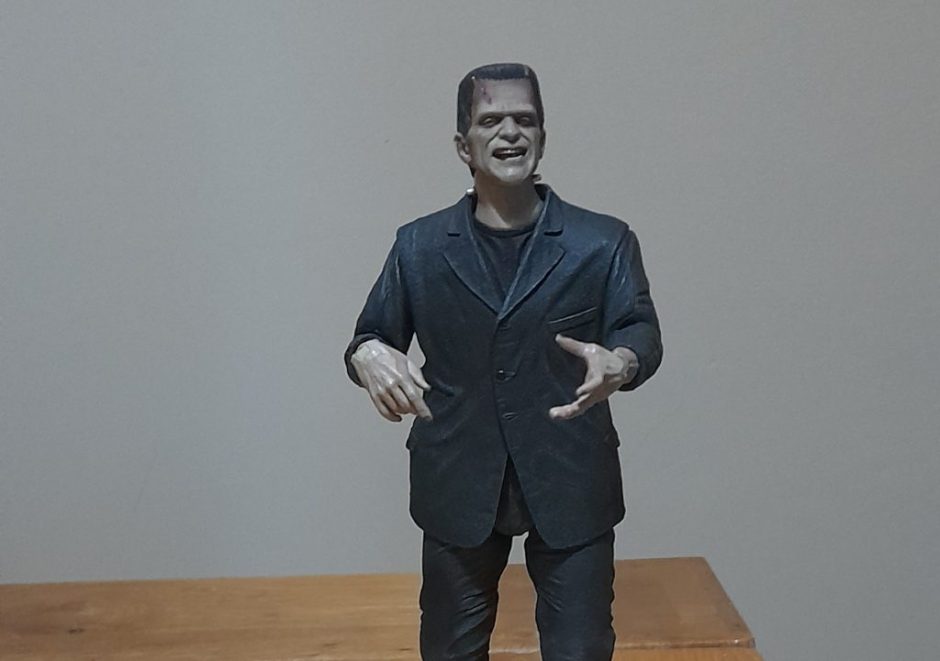
My focus for now was on finding 5 students to take part in the research. I was going to use semi-structured interviews but became convinced that a fieldnote method was more suited to the teaching activity I was trialing. The literature review provided pedagogical ‘hooks’ to hang the teaching of the activity itself on, (examples cited in the presentation). I was very inspired by texts such as ‘Teaching the Monster’ (Bloom- Bissonette, 2010) and Embracing the Monster (Bonnici & O’Connor, 2018) promoting the idea of tapping into emotions through personal and wider cultural considerations of Monsters and then critically evaluating why these feeling surface. Obviously, this in itself can be a point of criticality. Is it ethical to encourage stressed out students to think about monsters? One student, during evaluation, suggested that a Cool Down activity might be included at the end of the activity. Great idea.
I focus on the findings in my presentation, with the data gleaned from the activity organised under 2 themes. I started out with 4 themes below but ended up merging 2 influenced by Cardozo and leaving out the Institutional inequalities theme as I wasn’t really looking for evidence of this now. Although one participant brought up the issue of class and how she felt that fellow students did not realise how much more disadvantaged she felt compared to the majority of her peers. Further research could be done at a later date with more focus on intersectionality. Mythology and folklore is littered is with female tropes of monstrosity. (Bonnici & O’Connor, 2018).
Original themes
Lived experiences of the monster influences perceptions. Cultural/social contexts (Embracing monsters, Bonnici & O’Connor, 2020),
Evidence of dissertation anomie (Cardozo),
Finding their writing voice (Cardozo, 2006),
Institutional inequalities.
I may be biased but I think the students responded in ways that evidence that focusing on how you feel about something then thinking why you feel this way can give more shape to an academic convention, in this case the dissertation. I really enjoyed carrying out the research and all the participants were enthusiastic. I am also mindful that my positionality as their specialist tutor and researcher puts me in a position of power. I also set the questions which influenced the responses. More about this in the methods section.
Going forward, I will change my research question. I think I was looking for a snappy title. I would also make learning aims and objectives regarding skills development more measurable. These are outlined in the presentation. Overall, the feedback from the students was very positive, but the feedback was not anonymous so they may have felt obliged to be positive! Another ethical consideration perhaps?
