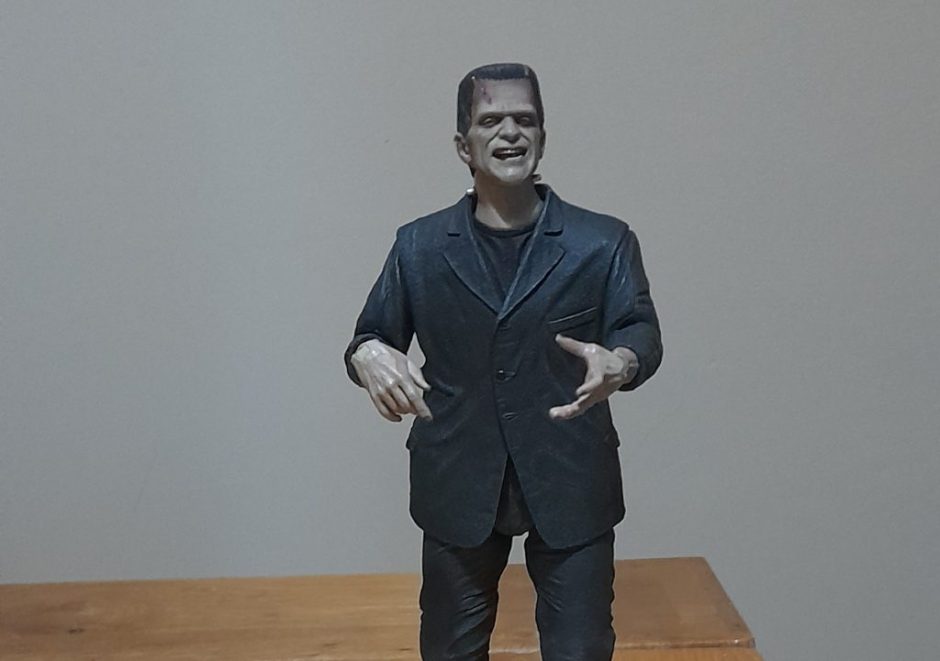
This research grew out of an activity I carried out in the 1st module (TTP) when we were asked to prepare a lesson using the technique of object-based learning (OBL). This is not a technique I currently use in my practice, although the evidence suggests that neurodivergent (ND) students benefit from a range of teaching styles, which accommodate their range of learning styles. Visual and kinesthetic learning styles are often cited as being prevalent in the neurodivergent community (Mortimore, 2008). ND students may struggle more with abstract concepts if they cannot visualise the idea and give it shape (Mortimore, 2008).
Giving shape to abstract ideas is not the stated definition of OBL but using objects as tools for learning to give deeper meaning to concepts is (Hardie 2005). My research for that activity birthed the idea of using an object as a metaphor for an academic convention, the dissertation, which students often find challenging, especially ND students (Cottrell, 2011). My role is to help students mitigate barriers in Higher Education (HE) which may affect access to learning. Barriers include academic conventions and the use of academic language which can be hard to understand. Students get emotional, panicked, and often don’t feel in control of the task.
The way students describe their relationship with the dissertation has always made me think of a monster motif, something to be feared, something to be faced down, rationalized, reconstructed into something less monstrous.
Monsters inhabit a special place in our shared mythology and in popular culture. They have value (Bonnici & O’Connor, 2020). Frankenstein’s Monster, my chosen monster was first brought to life by Mary Shelley in her novel Frankenstein or The Modern Proetheus first published in 1818, and there have been numerous movies, plays and games depicting the humanoid monster (Bonnici & O’Connor, 2020). This monster evokes a variety of emotions and as I discovered through my literature review, continues to inspire theoretical and philosophical musings in a range of disciplines. In humanities, it has been used as a tool to encourage students to think critically and reflect on ‘selfhood’ (Meljac 2018).