Ethical Action Plan
Name: Frances Barry
Tutor: Carys Kennedy
Date: 30/9/25
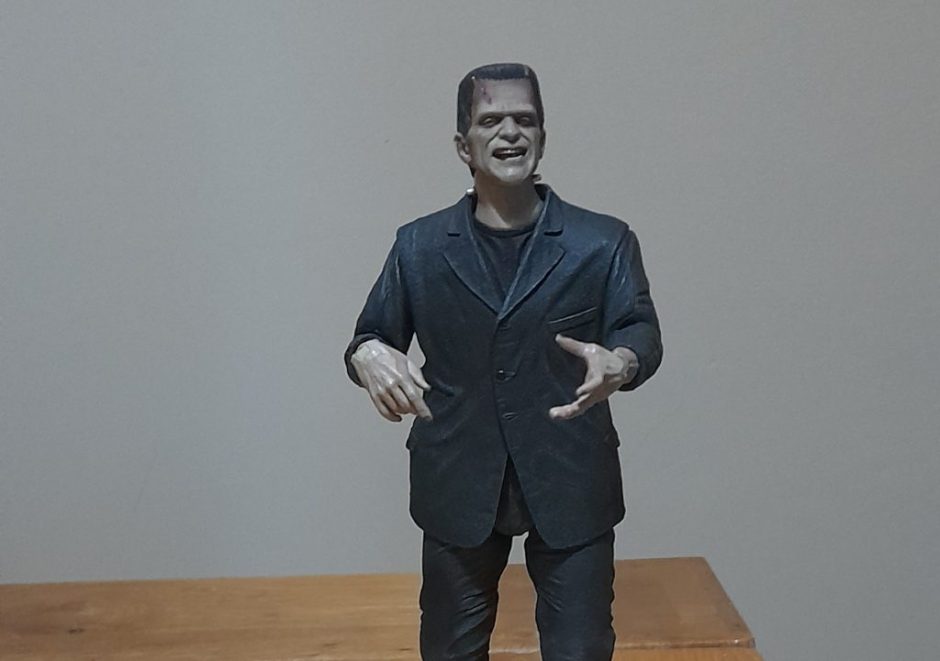
| What is the working title of your project? Can the Monster help to make the dissertation more ‘human’? The focus of the research is to use a teaching technique inspired by OBL but adapted, to use a physical object, to get 3rd year students to critically think about a more abstract concept, their dissertation. Often the dissertation engenders fear and loathing and a learning opportunity to expand their knowledge of a chosen subject through the application of research and critical thinking, becomes a chore to be done not enjoyed. All students whether neurodiverse or not have to approach the task systematically. Planning is key. It is a big piece of work. It helps to break the task down into manageable chunks. It helps to give it a name and own it. Part of my role is to help students mitigate barriers in HE which may affect access to learning. Barriers include academic conventions and the use of academic language which can be hard to understand. Students get emotional, panic and often don’t feel in control of the task. My idea is to allow students to explore their emotions to a physical representation of a very familiar figure, Frankenstein’s monster. Students will be encouraged to reflect on and think about these emotions in the context of what they think about the dissertation. There is a pedagogical framework I will use to underpin the exercise (Bloom-Bissonette, 2010) |
| What sources will you read or reference? Getting at equality: Research methods informed by the lessons of intersectionality J Bailey, V Steeves, J Burkell… – International …, 2019 – journals.sagepub.com Bissonette, Melissa Bloom. “Teaching The Monster: Frankenstein And Critical Thinking.” College Literature, vol. 37, no. 3, Summer 2010, pp. 106-20. Burkett, Andrew. “Mediating Monstrosity: Media, Information, and Mary Shelley’s Frankenstein.” Studies in Romanticism, vol. 51, no. 4, Winter 2012, pp. 579-605. Demystifying the dissertation KM Cardozo – Profession, 2006 – JSTOR Emerson Hardie, K. (2015) Innovative pedagogies series: Wow: The power of objects in object-based learning and teaching. Higher Education Academy https://sites.bu.edu/impact/previous-issues/impact-winter-2018/the-monster-and-the-humanities/ https://www.taylorfrancis.com/books/mono/10.4324/9781315867496/becoming-teacher-action-research-donna-kalmbach-phillips-kevin-carr-donna-kalmbach-phillips-kevin-carr https://methods.sagepub.com/ Shelley, M. (1994) Frankenstein. London Penguin Books Ltd. |
| What action(s) are you planning to take, and are they realistic in the time you have (Sept-Dec)? Students will be asked, via email if they want to take part in the research and given a consent form and information sheet. In the next 1:2:1 study skills session I will introduce the students to the monster, provide a worksheet with directed questions and give 5-10 minutes for the students to write down their thoughts. There will be a discussion about the dissertation process from brief to assessment outcome, when I will ask them if they can see any links between how they feel about the physical monster and the abstract academic convention. Given the time frame I am initially aiming for 5 participants. The research method is field notes based on participatory observation. Findings from the primary research will be analysed using thematic analysis and evidenced by secondary sources from relevant literature. |
| Who will be involved, and in what way? The participants will be 3rd year students I already work with. |
| What are the health & safety concerns, and how will you prepare for them? There are no concerns regarding physical safety as the room is one the students are already familiar with. Since all my work is 1:2:1 I already follow the Disability Service lone working policy and guidance. Students will be advised that if the activity increases their stress levels about the dissertation, we can stop at any time. |
| How will you manage and protect any physical and / or digital data you collect, including the data of people involved? All data will be anonymised and kept in a locked secure location. The field notes will be hand written during the activity and then recorded digitally. All handwritten notes, mine and the participants will be shredded. Digital data will be stored to comply with GDRP guidelines. |
| How will you take ethics into account in your project for participants and / or yourself? Consent forms and information sheets will be provided and participants will be told that consent can be withdrawn up to the point where the data will be shared/published. When seeking consent I will advise the students that the research will be carried out during a pre-arranged 1:2:1 session in case they have any objections to using an hour or their allocation. I have been given permission from my line manager for this. I will ascertain if any of the students have a particular issue with monsters. I would not wish to trigger any childhood trauma. There is one question on the worksheet that could trigger a negative reaction. What/who might the Monster represent? I am mindful that any existing present-day trauma might be brought to the surface. If any participants disclose information that constitutes a safeguarding issue, appropriate signposting will occur. I have undertaken UAL safeguarding training. |